Results
AI + Teachers = Smarter, Motivated, and Confident Students!
Empowering Students. Supporting Teachers.
Transforming Learning.
Key Benefits:
-
Personalized Learning: Lessons tailored to each student.
-
Smart Tutoring: AI guides students in real-time.
-
Efficiency: Automates grading, attendance, and scheduling.
-
Insights: Tracks progress and identifies students at risk.
-
Engaging & Fun: Gamified learning and interactive simulations.
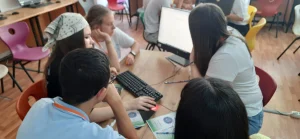 LTT Turkey results:
Participation in the mobility contributed significantly to the development of students’ digital, social, linguistic and creative competences. The activities provided students with practical opportunities to use modern digital technologies and artificial intelligence while exploring important environmental and social challenges.
As a result of the mobility, students:
- developed digital competences and practical AI skills by using simple AI tools, image generators and digital platforms;
- increased their awareness of climate change, environmental protection and sustainable development;
- developed greater interest in STEM subjects and explored potential educational and future career pathways;
- improved their data analysis and visualisation skills through working with digital data and creating visual representations;
- developed competences in programming and technology-based project creation;
- strengthened responsible attitudes towards consumption, waste reduction and sustainable lifestyles;
- developed creativity, critical thinking, problem-solving and innovation skills;
- improved their English communication skills through cooperation and interaction in international teams;
- increased their awareness of the importance of equality, peace, justice, inclusion and the responsible use of new technologies.
During the mobility, students created a range of practical and creative products, including:
- their own concepts of smart and eco-friendly cities, using simple AI tools, image generators and digital tools for creating models, visualisations and posters;
- mini AI projects addressing climate change and proposing technological solutions to environmental challenges;
- guidelines for the ethical and responsible use of artificial intelligence, with particular attention to safety, fairness, privacy and critical evaluation of AI-generated content;
- songs about students’ actions to combat climate change and protect the environment, combining creativity, language development and environmental awareness;
- awareness-raising presentations and videos promoting sustainable development and responsible attitudes towards the environment;
- digital scrapbooks presenting the Sustainable Development Goals (SDGs) and showing how young people can contribute to achieving them.
The mobility therefore combined digital and AI education with environmental awareness, STEM learning, creativity, communication and international cooperation. Students were encouraged not only to learn about sustainable development, but also to become active creators of ideas and solutions for a more sustainable and inclusive future.
LTT Lithuania results 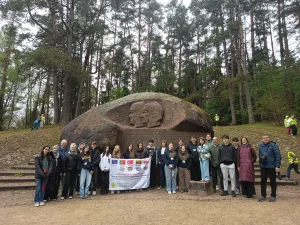
After the mobility carried out in Ukmergė from 4–8 May 2026, significant educational, social, and intercultural results were achieved by both students and teachers participating in the EASE project.
Students strengthened their teamwork, communication, and collaboration skills through international group activities and project-based learning. They improved their understanding of the 17 UN Sustainable Development Goals, especially those related to clean water and sanitation (SDG 6), affordable and clean energy (SDG 7), life below water (SDG 14), and life on land (SDG 15). Through interactive workshops and digital tools such as Google Earth Engine, Miro, Canva AI, and GAMMA, students developed practical digital competences and learned how artificial intelligence and modern technologies can support sustainable development.
The mobility also increased students’ awareness of global environmental challenges and encouraged them to think critically and creatively about possible solutions. Participants gained valuable experience in presenting ideas, working in multicultural teams, and using English in real-life communication situations. STEM career exploration activities inspired students to consider future educational and professional opportunities connected to sustainability and innovation.
Teachers improved their competences in using AI-based educational tools and innovative teaching methodologies. They exchanged good practices with international partners and developed new approaches for integrating sustainability education and STEM subjects into classroom activities. Teachers also enhanced their project management, mentoring, and digital teaching skills, which will support future implementation of interdisciplinary and international educational activities. 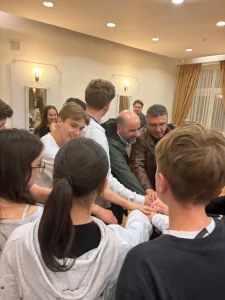
An important result of the mobility was the strengthening of cooperation between partner schools and the creation of a positive international learning environment based on inclusion, creativity, and mutual respect. The projects and presentations prepared by students demonstrated a high level of engagement, innovation, and awareness of sustainability issues. The digital materials, presentations, posters, and scrapbooks created during the mobility will continue to be used for dissemination activities and as educational resources in partner schools.
Overall, the mobility successfully contributed to the objectives of the EASE project by promoting sustainability awareness, digital innovation, intercultural cooperation, and the development of 21st-century skills among both students and teachers.